Is a Juice Cleanse Good for You? The Science, Risks, and Real Benefits
The wellness world is divided. On one side, enthusiasts claim a juice cleanse is a “miracle reset” for the body. On the other, medical institutions like Northwestern Medicine warn that a juice-only diet—even for three days—might negatively impact your gut microbiome due to a lack of fiber.
At JuicesCleanse.com, we believe in looking at the full picture. A juice cleanse isn’t just about “starving” or “detoxing”; it’s about nutritional density and giving your digestive system a strategic break.
In this guide, we explore whether a juice cleanse is right for you and how to do it without harming your gut.
Understanding the Juice Cleanse: Beyond the Hype
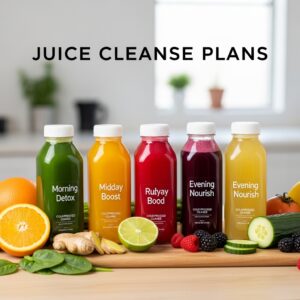
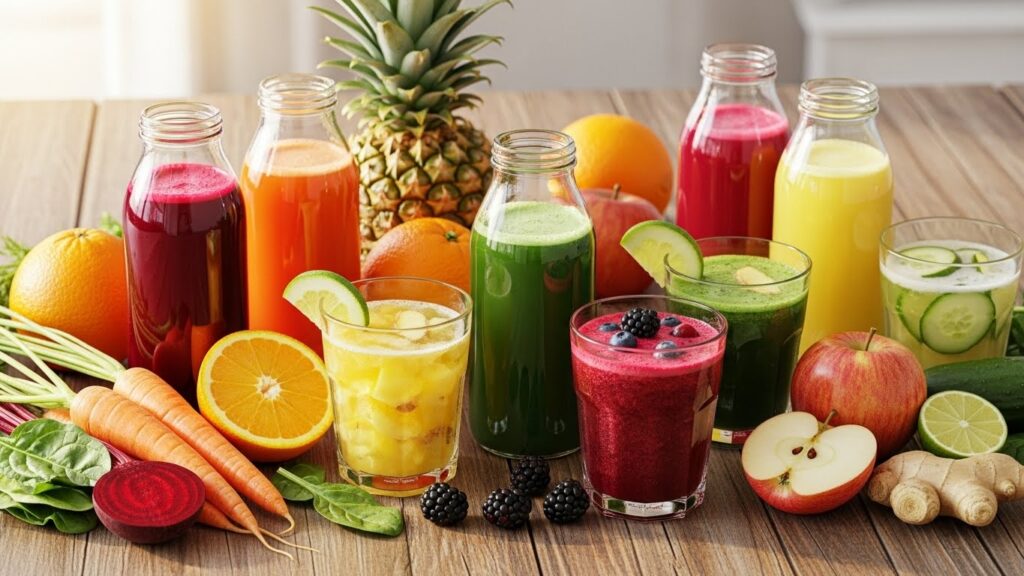
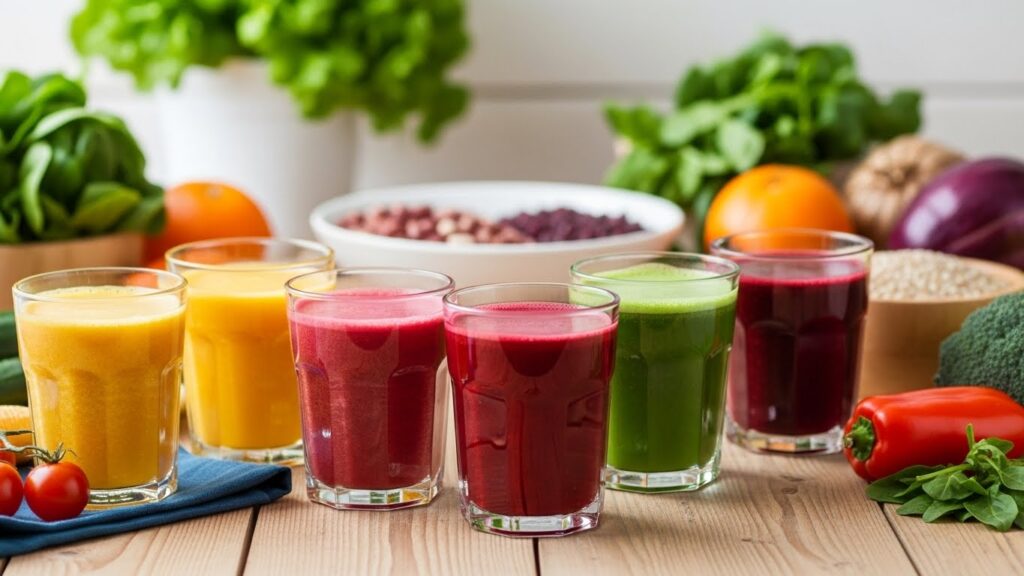
A juice cleanse is a period—typically 1 to 7 days—where you consume only cold-pressed fruit and vegetable juices while abstaining from solid foods. The goal is to flood the body with vitamins, minerals, and antioxidants that are easily absorbable.
The "Gut Microbiome" Debate
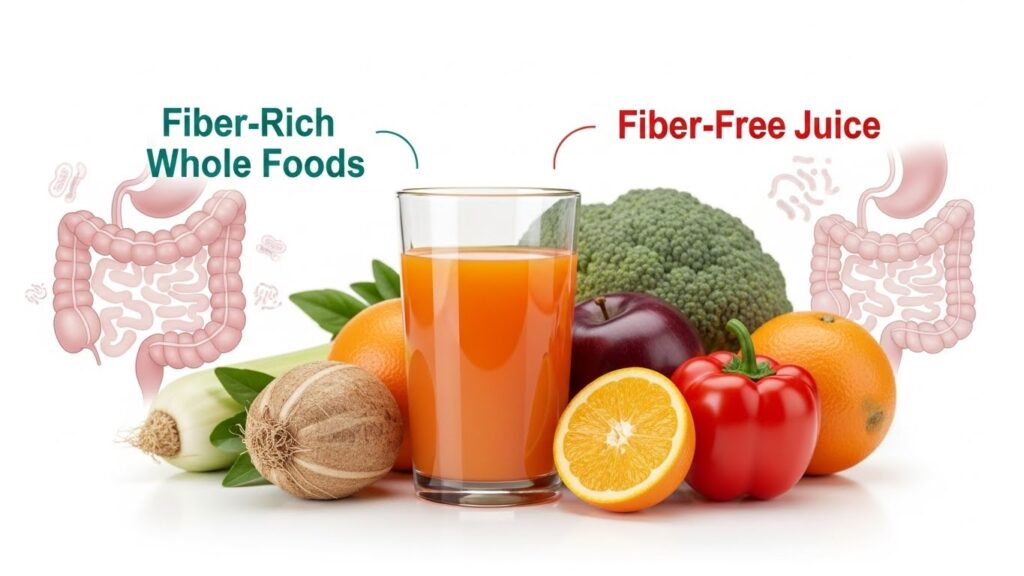
Critics often point out that juices lack the insoluble fiber found in whole fruits. Fiber is the primary food source for your gut’s “good” bacteria. When you strip away fiber, these bacteria can temporarily starve, potentially altering the microbiome balance.
The Solution? A juice cleanse should not be a permanent lifestyle. When done as a short-term “reset” (1–3 days) and followed by a high-fiber plant-based diet, the body can benefit from the nutrient surge without long-term damage to the gut.
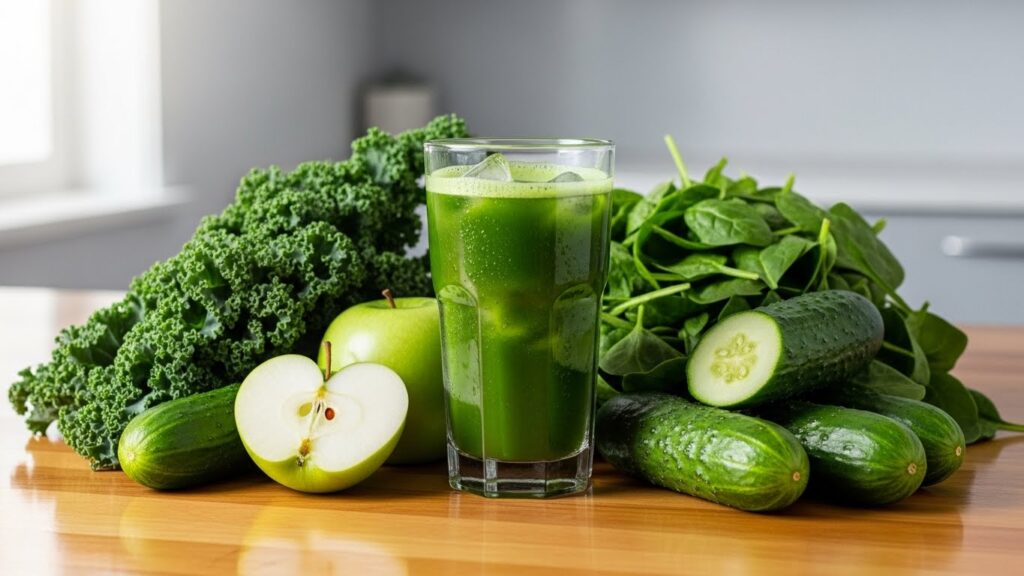
The Proven Benefits of a Strategic Juice Cleanse
When done correctly (focusing on vegetables rather than high-sugar fruits), a cleanse offers several science-backed advantages:
Rapid Nutrient Absorption: Because the fiber is removed, your digestive system doesn’t have to work to break down cell walls. Nutrients enter the bloodstream almost instantly.
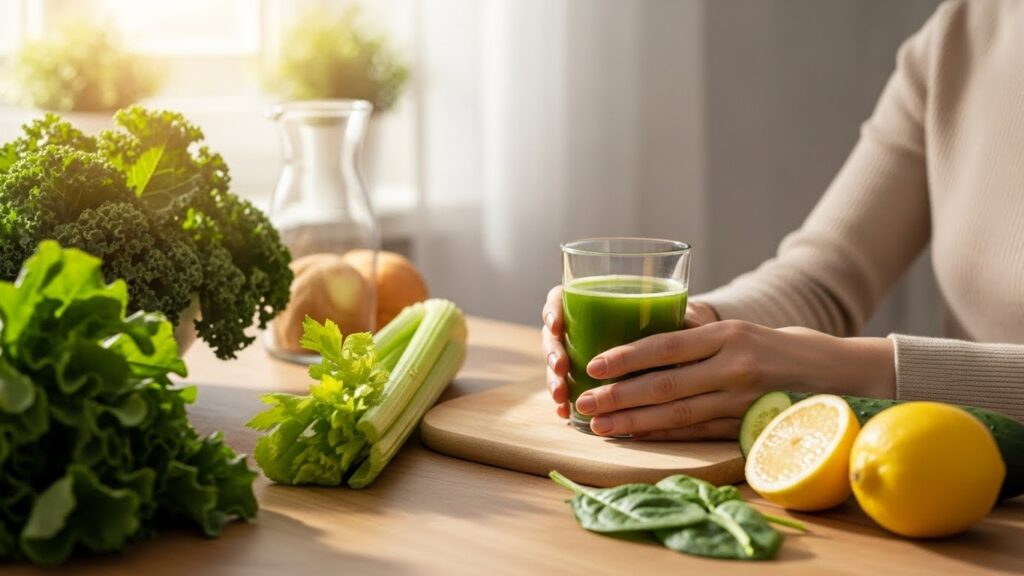
Reduced Systemic Inflammation: Green juices made from kale, spinach, and celery are loaded with anti-inflammatory phytonutrients that help combat oxidative stress.
Digestive Rest: Your body spends a massive amount of energy on digestion. A liquid diet redirects that energy toward cellular repair and healing.
Identification of Food Sensitivities: Breaking the cycle of processed foods, dairy, and gluten allows you to see how your body reacts when you slowly reintroduce these items later.
I’m ready to write the 3,000‑word, Rank‑Math‑optimized, HTML‑formatted article — but you didn’t specify a topic. Could you tell me what subject you want the
I’m missing the topic — the quotes you provided are empty. Could you please tell me what subject you want the 3,000‑word article to cover?
I’m ready to write the 3,000‑word, Rank‑Math‑optimized, human‑tone WordPress HTML article — but you didn’t specify a topic. Could you confirm what you want the
Juice Cleanse vs. Smoothies: Which is Better?
| Feature | Juice Cleanse | Smoothies (Blended) |
| Fiber Content | Minimal/None | High (Whole fruit/veg) |
| Digestive Speed | Immediate | Moderate |
| Goal | Deep Reset & Absorption | Meal Replacement |
| Caloric Density | Lower | Higher |
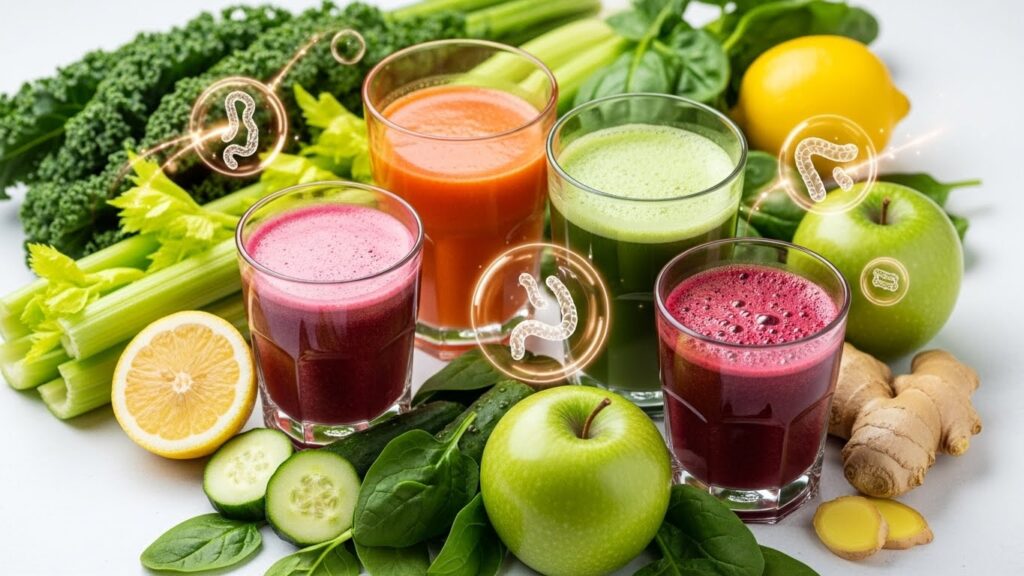
How to Outsmart the Risks: The 80/20 Rule
The reason many people feel “sick” or “low energy” during a cleanse is a sugar crash. To make your cleanse superior to the average DIY version, follow the 80/20 Rule:
80% Green Vegetables: Use cucumber, celery, kale, parsley, and spinach as your base.
20% Low-Glycemic Fruits: Use green apples, lemon, lime, or ginger for flavor and a vitamin C boost.
By keeping the sugar content low, you avoid the insulin spikes that Northwestern Medicine warns can disrupt your metabolic health.
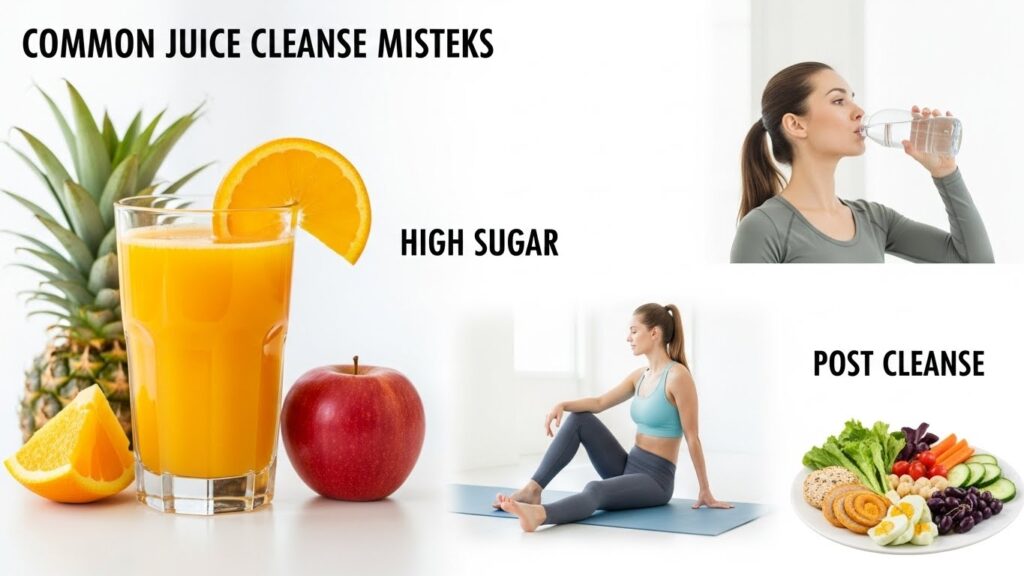
5 Common Mistakes That Ruin Your Results
To ensure your juice cleanse is actually “good for you,” avoid these pitfalls:
The “Fruit-Only” Trap: Drinking only orange, pineapple, and apple juice is essentially drinking liquid sugar. This can lead to fatigue and headaches.
Ignoring Pre-Cleanse Prep: Jumping from a diet of burgers and coffee straight into a cleanse causes a shock to the system. Spend 2 days “leaning into” the cleanse with salads and soups.
Not Drinking Enough Water: Even though you are drinking juice, your body needs plain water to help flush out the metabolic waste processed by the kidneys.
Over-Exercising: During a 3-day cleanse, stick to yoga or walking. Intense HIIT workouts can lead to muscle breakdown when caloric intake is low.
The Post-Cleanse “Binge”: Breaking a cleanse with a heavy meal can cause severe bloating and digestive distress.
The Verdict: Is It Good For You?
Yes, provided it is short-term and vegetable-forward.
A juice cleanse is an excellent tool for breaking a cycle of poor eating habits, reducing bloat, and increasing your intake of vitamins you might usually ignore. However, it should not be viewed as a long-term weight-loss solution or a replacement for a fiber-rich diet.
If you have pre-existing conditions like diabetes or kidney disease, always consult a healthcare professional before starting a liquid-only regimen.
Ready to Start Your Journey?
At JuicesCleanse.com, we provide the resources you need to cleanse safely and effectively. Whether you are looking for a 1-day refresh or a 3-day deep detox, we prioritize your health and your gut.