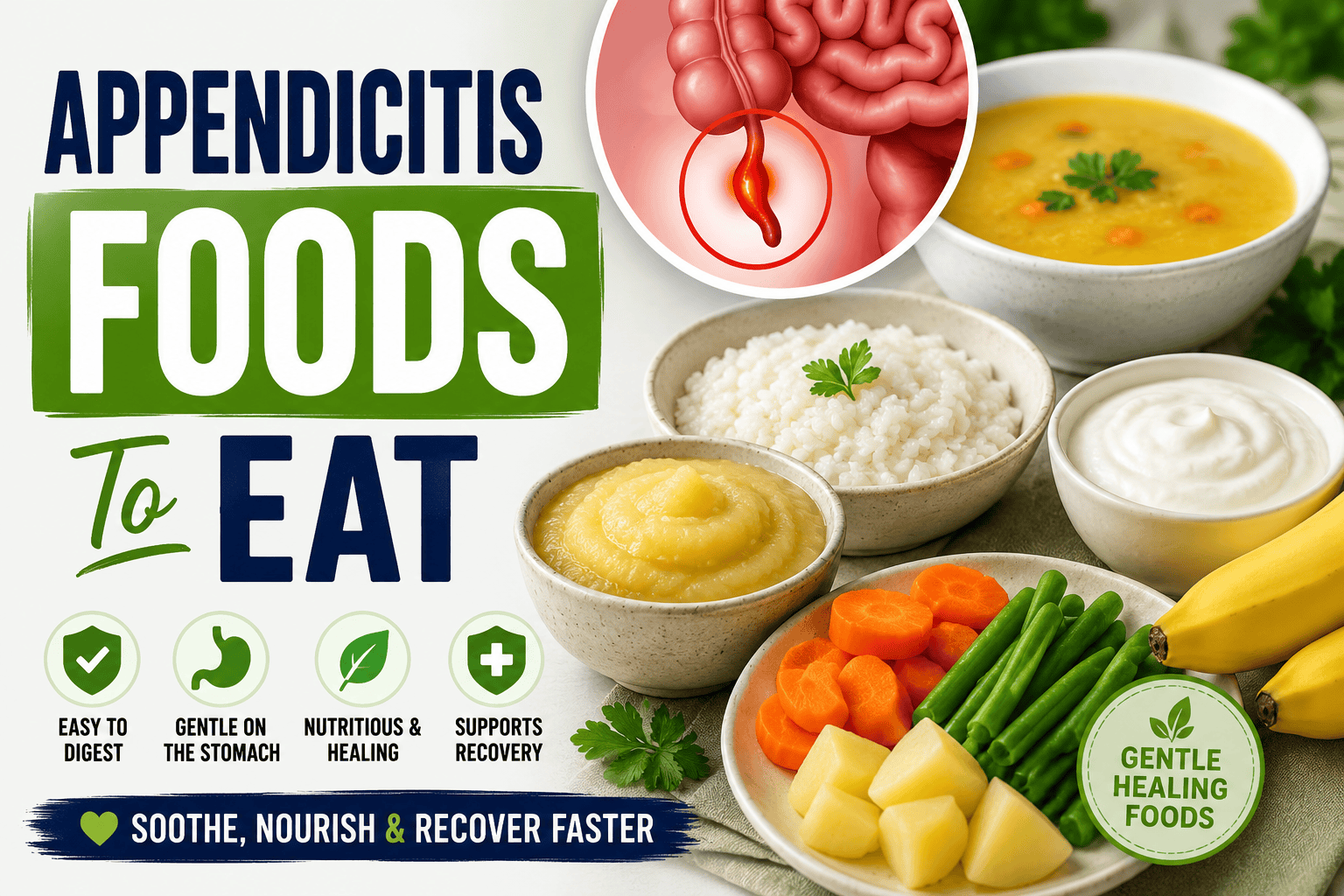
When it comes to managing appendicitis, a well-planned appendicitis diet can play a crucial role in reducing symptoms and promoting recovery. Appendicitis is a common condition that affects the appendix, a small pouch attached to the large intestine, and can cause severe abdominal pain, nausea, and vomiting. A proper appendicitis diet can help alleviate these symptoms and support the healing process. In this article, we will explore the best foods to eat during appendicitis recovery, foods to avoid, and provide tips for a smooth recovery.
Introduction to Appendicitis
Appendicitis is a medical emergency that requires prompt treatment, usually involving surgery to remove the inflamed appendix. According to the American Academy of Family Physicians, approximately 5% of the population will develop appendicitis at some point in their lives. The symptoms of appendicitis can vary, but common signs include severe abdominal pain, fever, nausea, and vomiting. If left untreated, appendicitis can lead to serious complications, such as perforation of the appendix, which can cause inflammatory bowel disease and other digestive issues.
Understanding the symptoms of appendicitis is crucial for seeking medical attention on time. The symptoms can be divided into two categories: early and late. Early symptoms include mild abdominal pain, loss of appetite, and nausea, while late symptoms include severe abdominal pain, fever, and vomiting. If you experience any of these symptoms, it is essential to seek medical attention immediately.
Foods to Eat During Appendicitis Recovery
A well-planned appendicitis diet can help reduce symptoms and promote recovery. During the recovery period, it is essential to focus on eating foods that are easy to digest and rich in nutrients. Some of the best foods to eat during appendicitis recovery include:
- Bland foods like crackers, toast, and plain rice
- Bananas, applesauce, and other low-fiber fruits
- Lean proteins like chicken, fish, and eggs
- Low-fat dairy products like milk, yogurt, and cheese
- Clear soups like chicken or vegetable broth
These foods are gentle on the stomach and can help reduce nausea and vomiting. It is also essential to stay hydrated by drinking plenty of fluids, such as water, clear broth, or electrolyte-rich beverages like coconut water or sports drinks.
Foods to Avoid with Appendicitis
During appendicitis recovery, there are certain foods that should be avoided as they can irritate the stomach and worsen symptoms. Some of the foods to avoid include:
- Fatty or greasy foods like fried foods, burgers, and pizza
- High-fiber foods like beans, cabbage, and broccoli
- Spicy or acidic foods like citrus fruits, tomatoes, and hot peppers
- Carbonated drinks like soda, beer, and sparkling water
- Caffeine and alcohol, which can irritate the stomach and worsen dehydration
These foods can be difficult to digest and may exacerbate symptoms like nausea, vomiting, and abdominal pain. It is essential to avoid these foods until the stomach has fully recovered and can tolerate a normal diet.
I’m ready to write the 3,000‑word, Rank‑Math‑optimized, HTML‑formatted article — but you didn’t specify a topic. Could you tell me what subject you want the
I’m missing the topic — the quotes you provided are empty. Could you please tell me what subject you want the 3,000‑word article to cover?
I’m ready to write the 3,000‑word, Rank‑Math‑optimized, human‑tone WordPress HTML article — but you didn’t specify a topic. Could you confirm what you want the
Managing Your Diet After Appendicitis Surgery
After appendicitis surgery, it is essential to follow a specific diet to promote healing and reduce the risk of complications. The diet after surgery is usually divided into several stages, including:
Stage 1: Clear liquids, such as water, clear broth, and electrolyte-rich beverages, for the first 24-48 hours after surgery.
Stage 2: Bland foods like crackers, toast, and plain rice, for the next 2-3 days after surgery.
Stage 3: Soft foods like bananas, applesauce, and cooked vegetables, for the next 4-5 days after surgery.
Stage 4: Solid foods, including lean proteins, whole grains, and a variety of fruits and vegetables, after 7-10 days after surgery.
It is essential to follow the diet plan recommended by your doctor or dietitian to ensure a smooth recovery. A well-planned appendicitis diet can help reduce the risk of complications and promote healing.
Managing Your Diet During Appendicitis Recovery
A well-planned appendicitis diet can help manage symptoms and promote recovery. During the recovery period, it is essential to focus on eating small, frequent meals throughout the day. This can help reduce nausea and vomiting and promote healing. Additionally, it is essential to stay hydrated by drinking plenty of fluids, such as water, clear broth, or electrolyte-rich beverages.
It is also essential to avoid foods that can irritate the stomach and worsen symptoms. Some of the foods to avoid include fatty or greasy foods, high-fiber foods, spicy or acidic foods, carbonated drinks, and caffeine and alcohol. By avoiding these foods and following a well-planned appendicitis diet, you can promote healing and reduce the risk of complications.
Tips for a Smooth Recovery
Recovering from appendicitis requires patience, rest, and a well-planned diet. Here are some tips for a smooth recovery:
- Follow the diet plan recommended by your doctor or dietitian
- Stay hydrated by drinking plenty of fluids
- Avoid heavy lifting, bending, or strenuous activities
- Get plenty of rest and avoid stress
- Take medications as prescribed by your doctor
By following these tips and maintaining a healthy lifestyle, you can promote healing and reduce the risk of complications. It is also essential to seek medical attention immediately if you experience any symptoms of appendicitis, such as severe abdominal pain, fever, or vomiting.
FAQ Section
Here are some frequently asked questions about appendicitis and diet:
Q: What foods are safe to eat after appendicitis surgery?
A: After appendicitis surgery, it is essential to follow a specific diet to promote healing and reduce the risk of complications. The diet after surgery is usually divided into several stages, including clear liquids, bland foods, soft foods, and solid foods. It is essential to follow the diet plan recommended by your doctor or dietitian to ensure a smooth recovery.
Q: How long does it take to recover from appendicitis?
A: The recovery time from appendicitis can vary depending on the severity of the condition and the individual’s overall health. Generally, it can take several weeks to fully recover from appendicitis. It is essential to follow the diet plan recommended by your doctor or dietitian and get plenty of rest to promote healing.
Q: What are the symptoms of appendicitis?
A: The symptoms of appendicitis can vary, but common signs include severe abdominal pain, fever, nausea, and vomiting. If you experience any of these symptoms, it is essential to seek medical attention immediately.
Q: Can you eat solid foods after appendicitis surgery?
A: After appendicitis surgery, it is usually recommended to start with clear liquids and gradually progress to bland foods, soft foods, and solid foods. It is essential to follow the diet plan recommended by your doctor or dietitian to ensure a smooth recovery.
Q: How can I manage my diet during appendicitis recovery?
A: During appendicitis recovery, it is essential to focus on eating small, frequent meals throughout the day. It is also essential to stay hydrated by drinking plenty of fluids, such as water, clear broth, or electrolyte-rich beverages. Additionally, it is essential to avoid foods that can irritate the stomach and worsen symptoms, such as fatty or greasy foods, high-fiber foods, spicy or acidic foods, carbonated drinks, and caffeine and alcohol.
In conclusion, a well-planned appendicitis diet can play a crucial role in reducing symptoms and promoting recovery. By following the tips and guidelines outlined in this article, you can manage your diet during appendicitis recovery and reduce the risk of complications. Remember to seek medical attention immediately if you experience any symptoms of appendicitis, and follow the diet plan recommended by your doctor or dietitian to ensure a smooth recovery.