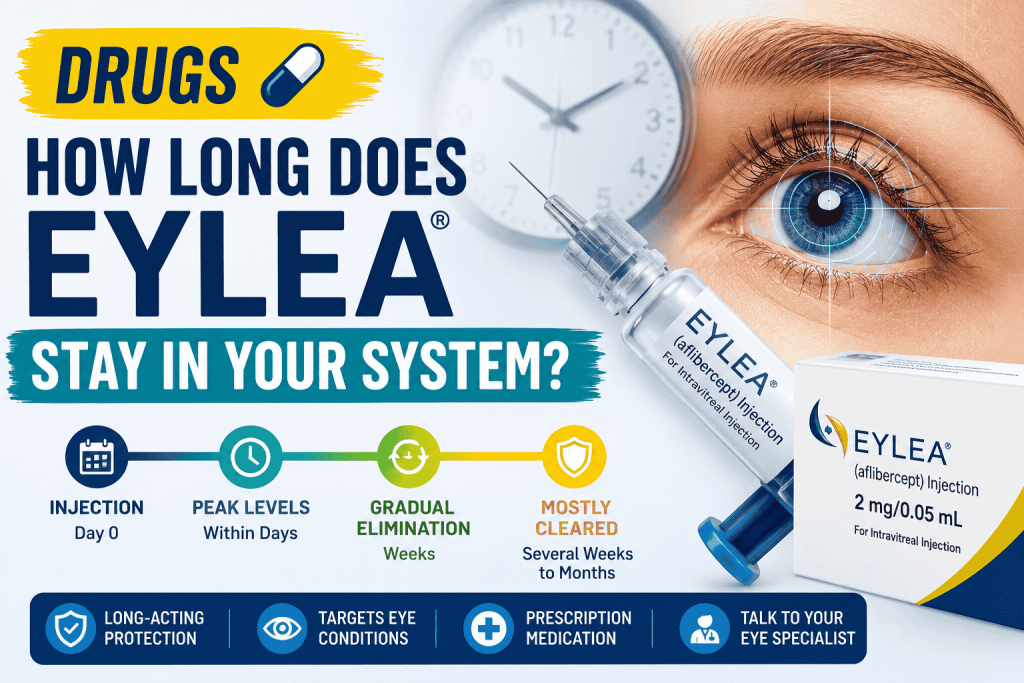
Eylea, a medication used to treat various retinal diseases, has been a significant breakthrough in the field of ophthalmology. The Eylea duration in system is a critical factor to consider for patients undergoing treatment. As an intravitreal injection, Eylea works by inhibiting vascular endothelial growth factor (VEGF), which plays a crucial role in the development of retinal diseases. With its ability to improve vision and reduce disease progression, it is essential to understand how long Eylea stays in the system, its half-life, and elimination process. In this article, we will delve into the pharmacokinetics of Eylea, its potential side effects, and dosage administration, providing valuable insights into the Eylea duration in system.
Introduction to Eylea
Eylea, also known as aflibercept, is a recombinant human protein that binds to VEGF, preventing its interaction with receptors on the surface of endothelial cells. This mechanism of action helps to reduce angiogenesis, inflammation, and vascular permeability, which are common features of retinal diseases such as age-related macular degeneration (AMD), diabetic macular edema (DME), and retinal vein occlusion (RVO). According to the National Eye Institute, approximately 2 million people in the United States suffer from AMD, highlighting the need for effective treatments like Eylea. As an ocular drug, Eylea is administered via intravitreal injection, which allows for targeted delivery and minimal systemic exposure.
Pharmacokinetics of Eylea
The pharmacokinetics of Eylea play a vital role in understanding its Eylea duration in system. After intravitreal injection, Eylea is slowly absorbed into the systemic circulation, with peak plasma concentrations reached within 1-3 days. The volume of distribution of Eylea is approximately 6.2 liters, indicating that it is primarily confined to the plasma. The Eylea half-life is around 6-8 days, which is relatively long compared to other ocular drugs. This prolonged half-life allows for sustained inhibition of VEGF, reducing the need for frequent injections. The pharmacokinetics of Eylea are also influenced by factors such as age, sex, and renal function, which can impact the Eylea elimination process.
Eylea Half-Life and Elimination
The Eylea half-life is a critical factor in determining its duration in the system. As mentioned earlier, the half-life of Eylea is around 6-8 days, which means that it takes approximately 6-8 days for the plasma concentration of Eylea to decrease by half. The Eylea elimination process is primarily renal, with approximately 70% of the dose excreted in the urine within 14 days. The remaining 30% is eliminated through other routes, including fecal excretion and metabolism. Understanding the Eylea duration in system is essential for optimizing treatment regimens and minimizing potential side effects.
Potential Side Effects of Eylea
While Eylea is generally well-tolerated, it can cause potential side effects, including:
- Eye pain or discomfort
- Blurred vision
- Floaters or flashes of light
- Increased intraocular pressure
- Endophthalmitis (infection of the inner eye)
These side effects are usually mild and transient, resolving on their own within a few days. However, in rare cases, Eylea can cause more serious side effects, such as retinal detachment or vitreous hemorrhage. It is essential to closely monitor patients receiving Eylea injections and report any adverse reactions to their healthcare provider. The Eylea side effects can be minimized by following the recommended Eylea dosage and administration schedule.
Eylea Dosage and Administration
The recommended Eylea dosage is 2 mg (0.05 mL) per eye, administered via intravitreal injection. The frequency of injections depends on the specific retinal disease being treated:
- AMD: every 4-8 weeks
- DME: every 4-8 weeks
- RVO: every 4 weeks
It is crucial to follow the recommended Eylea dosage and administration schedule to ensure optimal treatment outcomes and minimize potential side effects. The Eylea duration in system can be influenced by the dosage and administration schedule, highlighting the need for careful planning and monitoring.
I’m ready to write the 3,000‑word, Rank‑Math‑optimized, HTML‑formatted article — but you didn’t specify a topic. Could you tell me what subject you want the
I’m missing the topic — the quotes you provided are empty. Could you please tell me what subject you want the 3,000‑word article to cover?
I’m ready to write the 3,000‑word, Rank‑Math‑optimized, human‑tone WordPress HTML article — but you didn’t specify a topic. Could you confirm what you want the
FAQ
Here are some frequently asked questions about Eylea:
Q: How long does Eylea stay in your system?
A: The Eylea duration in system is approximately 6-8 days, based on its half-life. However, the actual duration may vary depending on individual factors, such as age and renal function.
Q: What is the half-life of Eylea?
A: The Eylea half-life is around 6-8 days, which is relatively long compared to other ocular drugs.
Q: How is Eylea eliminated from the body?
A: The Eylea elimination process is primarily renal, with approximately 70% of the dose excreted in the urine within 14 days.
Q: What are the potential side effects of Eylea?
A: The potential side effects of Eylea include eye pain or discomfort, blurred vision, floaters or flashes of light, increased intraocular pressure, and endophthalmitis.
Q: How often is Eylea administered?
A: The frequency of Eylea injections depends on the specific retinal disease being treated, ranging from every 4-8 weeks for AMD and DME to every 4 weeks for RVO.
Q: Can Eylea be used in combination with other medications?
A: Yes, Eylea can be used in combination with other medications, such as photodynamic therapy or laser treatment, to enhance treatment outcomes.
Q: Is Eylea safe for use in patients with a history of eye surgery?
A: Eylea can be used in patients with a history of eye surgery, but caution should be exercised, and the patient should be closely monitored for potential complications.
In conclusion, Eylea is a highly effective medication for the treatment of retinal diseases, with a relatively long Eylea duration in system. Understanding its pharmacokinetics, half-life, and elimination process is essential for optimizing treatment regimens and minimizing potential side effects. By following the recommended Eylea dosage and administration schedule, patients can achieve significant improvements in vision and reduce disease progression. As with any medication, it is crucial to closely monitor patients receiving Eylea injections and report any adverse reactions to their healthcare provider. With its ability to improve vision and reduce disease progression, Eylea has become a valuable tool in the management of retinal diseases, and its Eylea duration in system plays a critical role in its overall efficacy.